




Prof. Yin Haitao on CGTN: Solar Power as a Core Solution for Global Energy Security 2026-08-12
Recently, Prof. Yin Haitao, Executive Dean of the ESG Research Institute at Antai College of Economics and Management (ACEM), Shanghai Jiao Tong University (SJTU), was invited for an exclusive interview with CGTN (China Global Television Network). In this interview, he delivered in-depth interpretations of the development opportunities for China’s solar power industry, the country’s leading edge in the global photovoltaic sector, and the pivotal role of solar energy in safeguarding global energy security amid evolving geopolitical dynamics.
CGTN: Building a low-carbon, secure energy system to replace reliance on fossil fuels is a major development goal for many countries, including China. What opportunities does this bring to the solar power industry?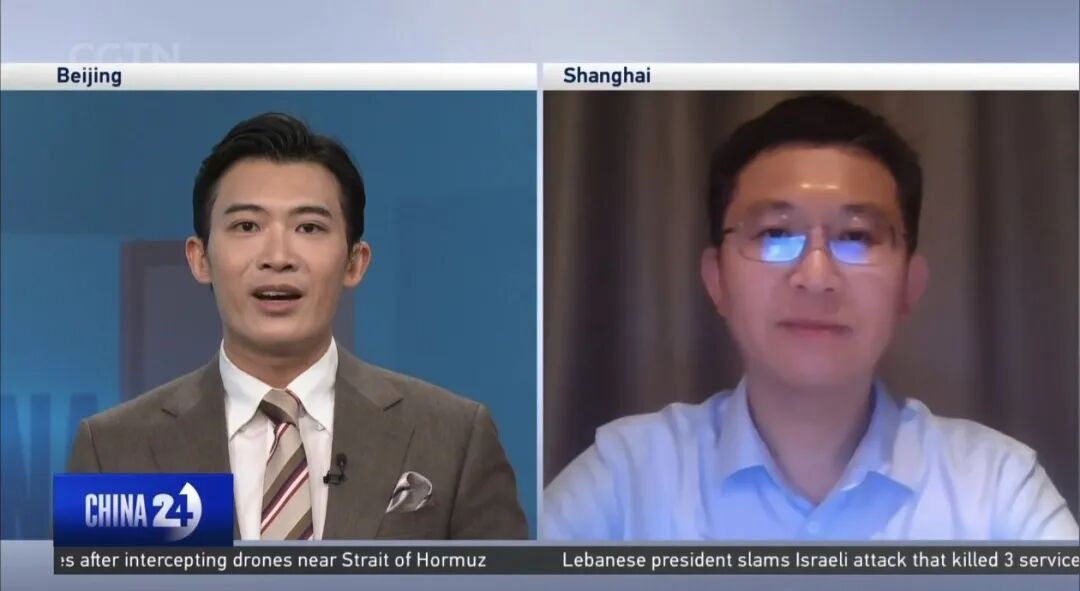
Prof. Yin: Thank you. I trust this presents a tremendous opportunity for China's solar power industry. China has made remarkable progress in solar energy: by the end of 2025, its installed solar capacity reached 1.2 billion kilowatts, accounting for almost 31% of the country's total installed power capacity. This is propelled by two factors. The first is China's strong determination to make the transition to low-carbon energy. The second is that, compared with wind power, solar enjoys important advantages — it is less land-intensive, easier to deploy, and more widely available. This year's geopolitical turbulence has led more countries to realize that the transition to new energy is not only important for curbing global warming, but, more importantly, imperative for maintaining energy security. In my view, this offers China's solar industry a great opportunity to grow even stronger and contribute more to the world.
CGTN: China is the world's largest solar panel producer and a major global exporter. How do you view the rise of solar power and its impact on the global energy landscape?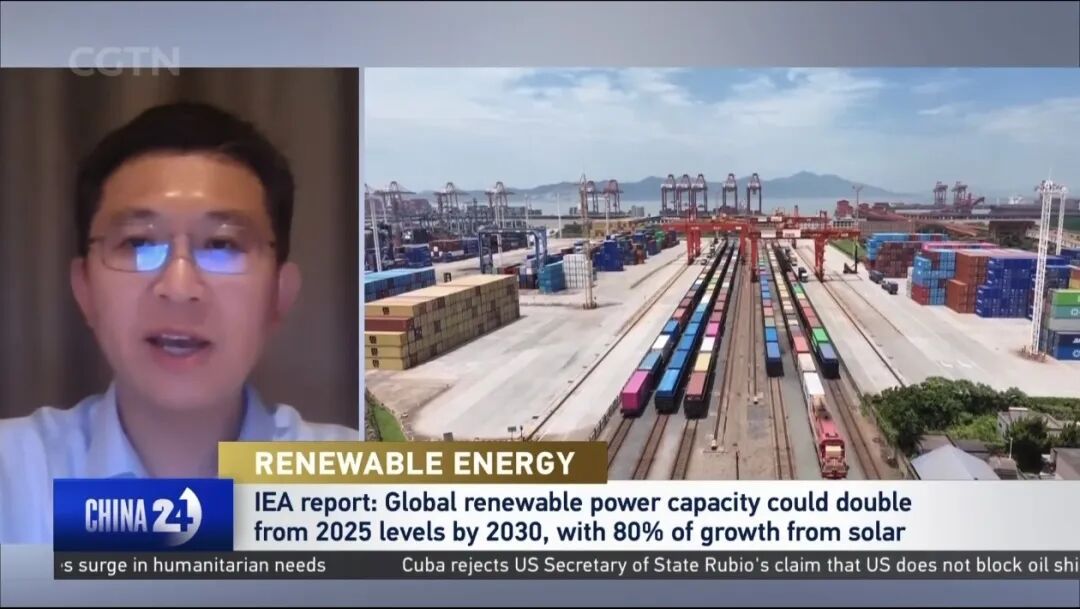
Prof. Yin: China is definitely the global leader when it comes to the solar power industry — leading not only because of its cost advantage, but more importantly because of its technological advancement. As of 2025, China's production capacity for solar panels accounts for about 80% of the global total. As I mentioned, amid this year's geopolitical turbulence, more and more countries realize that the transition to new energy is very important for ensuring energy security. This is one of the reasons why China's solar exports rose sharply over the past three months. I trust that China's solar industry will make a huge contribution to a more sustainable and peaceful world in the future.
Prof. Yin’s interview insights highlight the transformative value of China’s solar power development. Amid global energy restructuring and geopolitical changes, China’s photovoltaic industry, with its technological maturity, scale advantages and stable supply capacity, has evolved from a key participant in global green energy transition to a core pillar of global energy security. It not only supports China’s low-carbon development and energy independence, but also provides reliable, affordable green energy solutions for the world, injecting strong stability into the volatile global energy landscape.